- First-hand where we say so — we name the places we’ve actually stayed
- No invented prices, no made-up restaurants, no AI filler
- Written to stay true — methods, not details that rot
- Interactive tools so you can test any of it yourself
Hostels have a reputation problem inherited from the nineties: damp dorms, no sleep, dubious bathrooms, and a demographic ceiling somewhere around twenty-three. That reputation is outdated in a way that is materially costing travelers money. The modern hostel — particularly at the better end of the market in well-traveled cities — is a genuinely different product, and dismissing it because of what it used to be is like refusing to eat at a restaurant because of the chef’s previous employers.
What has actually changed
The hostel market bifurcated over the past fifteen years. The lower end remains what the reputation describes: basic, cheap, sometimes grim. But a new category of design-led, infrastructure-serious hostel emerged — particularly in Europe, Southeast Asia and Latin America — that has private rooms alongside dorms, decent bathrooms, curated common spaces, and a genuine social atmosphere that hotel lobbies cannot replicate.
The best of these are not budget accommodation that apologizes for itself. They are a deliberate choice offering something hotels cannot: the common room at 11pm where a conversation starts, the rooftop where a group forms, the easy meeting of people who are doing what you are doing.
The actual accommodation options
Modern hostels offer more configuration than most people assume:
- Private rooms in a hostel are often the best-value private room in a city. You get your own room with a lockable door, access to the shared facilities and social spaces, and a price that beats a nearby hotel in the same location.
- Female-only dorms exist in most hostels and consistently rate better on comfort and noise than mixed dorms.
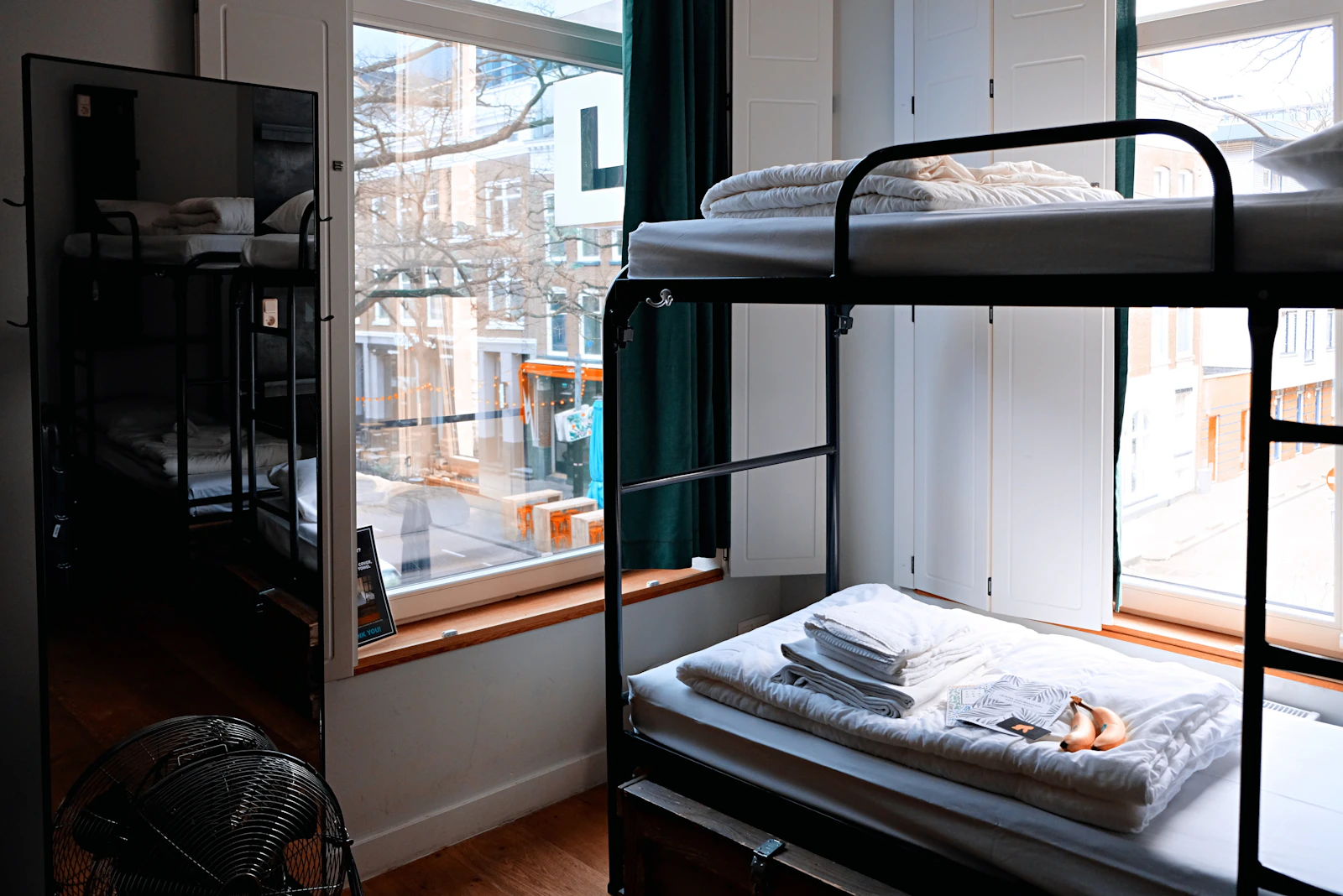
- Small dorms (4–6 beds) are considerably different from large dorms (12+ beds). The pod-style bunk with a curtain, a personal reading light, and a charging point is not the same product as an open room with ten strangers.
- En-suite dorms in higher-end hostels give you dorm pricing with private bathrooms — an unusual combination.
What you are actually paying for
The hostel value proposition is not only the bed price. It is:
- Location. Hostels cluster in city centers and interesting neighborhoods because their guests want to walk to things. A hostel in central Lisbon for twenty-five euros a night is a location argument that a budget hotel two kilometers out at the same price cannot win.
- The social infrastructure. A well-run hostel has a common room, often a bar or café, events (walking tours, pub crawls, dinners) and a front desk that operates as a de facto concierge. The information density is higher than a hotel lobby.
- The common kitchen. Cooking your own breakfast and keeping food in a shared fridge changes the daily spend meaningfully.
- The people. This one is subjective but real. Travelers on a similar kind of trip, at a similar stage of it, are easier to meet in a hostel than in a hotel. Whether this matters depends entirely on what you are looking for.
Who hostels work best for
- Solo travelers, for whom the social infrastructure is genuinely useful rather than optional.
- People on longer trips where the accommodation cost compounds significantly over weeks or months.
- Remote workers who can use the common space as a co-working environment.
- Anyone arriving in a new city alone and wanting a simple way to meet people in the same situation.
Who they do not suit
- Couples who value privacy above everything else — though hostel private rooms address this.
- Anyone with early morning or late evening schedules that conflict with a shared space.
- People who simply prefer the hotel experience and can afford it — both are valid preferences.
How to pick a good one
Hostelworld and Booking.com both list hostels. Filter by review score (aim for 8.5+ out of 10), read the reviews specifically mentioning staff and atmosphere rather than just facilities, and look at the room photos. The gap between a 9.2-rated hostel and a 7.4-rated hostel in the same city is often the gap between a good trip and a frustrating one.
Free accommodation beyond the hostel
Hostels are the low-cost option at the start of a trip. House sitting turns free accommodation into a real possibility for longer stays.

The Travel Lie
The book is about the assumptions that quietly cost you money. This is one of them.
The Travel Maths — the whole thing in one place
The money side of travel in one place — what a trip actually costs, and where your money is worth more than it is at home.
Everything from this article — plus seven more travel systems
The hotel email scripts, the upgrade checklist, the loyalty settings, the flight search method and the money moves we use every single trip. Opens straight away.
Get the free Playbook →

