- No invented prices, no made-up restaurants, no AI filler
- Written to stay true — methods, not details that rot
- Interactive tools so you can test any of it yourself
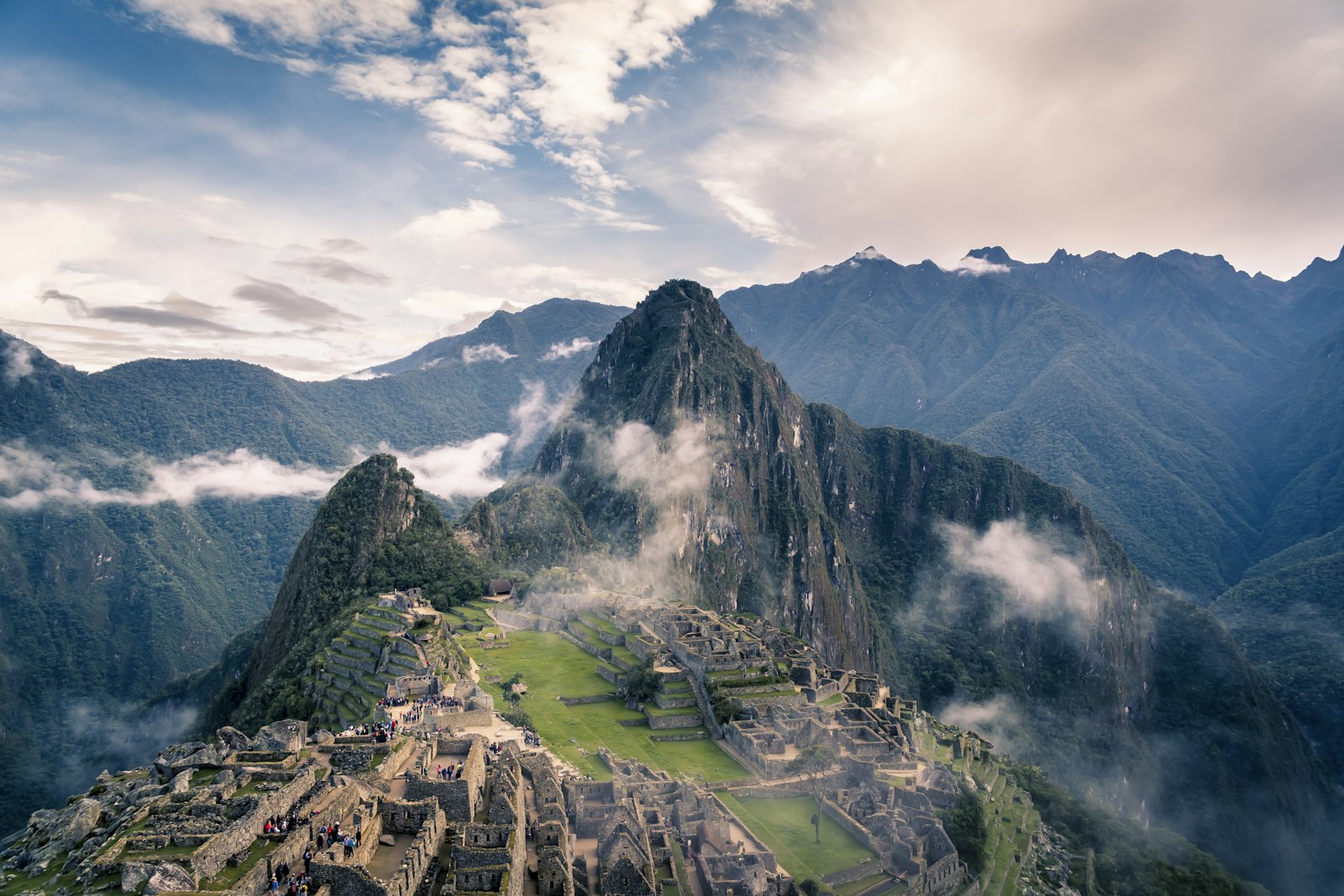
Machu Picchu does not sell tickets the way most landmarks do. Entry is capped, timed, and split across multiple circuits, and the allocation for peak season can be gone eight to ten weeks in advance. Showing up in Aguas Calientes expecting to sort it out locally is the single most reliable way to miss one of the world’s great sights. Here is the system that actually works.
How the ticket system works now
The ticket system has changed several times in recent years and continues to evolve. As of the current system: entry is managed through a combination of time slots and circuits, each covering a different section of the site. You must select both your entry time and your circuit when booking.
Always verify the current system at the official site before booking: machupicchu.gob.pe. What was true six months ago may not be true today.
The circuits
The site is divided into circuits that cover different areas. The key distinctions are roughly:
- Classic view circuits cover the main Inca citadel and the postcard panorama. These are the most in-demand and sell out first.
- Lower circuit options cover the terraces and agricultural sectors, less visited and often available when the upper circuits are sold out.
- Mountain add-ons — Machu Picchu Mountain, Huayna Picchu, Montana — are separate tickets with separate caps, sold at lower volumes. Huayna Picchu in particular sells out months in advance and requires a moderate climb.
- Sun Gate (Intipunku) is accessible via the Inca Trail finish; those arriving on foot from the trail do not need a separate ticket for this section.
When to book
The honest answer is: as soon as you know your dates. For June, July and August — peak season — this means booking as far out as the system allows, which has varied between sixty and ninety days. For shoulder months (April, May, September, October), three to four weeks may be enough, but do not rely on it.
Book the mountain add-ons (especially Huayna Picchu) before the main site tickets. They sell out faster and in lower quantities.
Where to buy
The official booking site is machupicchu.gob.pe. This is the correct source. Third-party sites that offer tickets are reselling the same inventory at a markup — sometimes a large one — and some are not legitimate. If you buy through a licensed tour operator (for an Inca Trail package, for example), they handle the permits and tickets as part of the booking.
The Inca Trail
The Inca Trail is a separate system entirely. Permits are issued through licensed operators, are capped at a total per day across all groups, and sell out for peak season within hours of the annual release window — which has historically been around late October or November for the following year. If hiking the classic Inca Trail matters to you, this is a year-in-advance booking, not a three-month one.
Alternative treks — Salkantay, Lares, Ausangate — reach Machu Picchu without the same permit constraints. Some are more demanding; all require their own entry ticket for the site itself.
Getting there
Most visitors go Cusco → Ollantaytambo by road (two hours), then train to Aguas Calientes (the town at the base, also called Machu Picchu Pueblo), then bus up to the site. The bus takes about twenty minutes. Train tickets, like site tickets, should be booked in advance for peak dates: perurail.com and incarail.com are the two licensed operators.
Timing your visit
The site opens at 6am. The classic strategy is to arrive on the earliest bus for the morning light and the smallest initial crowd, spend three to four hours, and leave before the midday tour groups arrive in volume. Afternoons are the busiest and hottest window.
The shoulder months of April, May and October have the added advantage of the dry season without August’s peak crowds. February is closed for maintenance and the wettest month. The wet season (November through March) brings cloud and rain but also dramatically smaller crowds and green vegetation.
- Altitude: Cusco is at 3,400 meters. Arrive a day or two early before any serious activity, ascend slowly, and do not ignore symptoms of altitude sickness.
- Bring water and snacks. Food inside the site is limited and expensive. There are no restaurants within the ruins.
- Wear layers. Morning at the site is cool and often cloudy; midday can be hot. Both in the same visit.
- No selfie sticks or tripods are permitted inside the site.
Where the tickets actually are
Machu Picchu entry is capped, sold in timed circuits, and sells out weeks ahead in high season. Book the entry and the train together rather than separately, and do it before you commit to dates.
Check availability →Cusco and the Sacred Valley
Machu Picchu earns most of the attention, but the Sacred Valley — Pisac, Ollantaytambo, Moray, Maras — is where many visitors find their favorite memories. Our Cusco guide covers the full circuit.
Everything from this article — plus seven more travel systems
The hotel email scripts, the upgrade checklist, the loyalty settings, the flight search method and the money moves we use every single trip. Opens straight away.
Get the free Playbook →
